
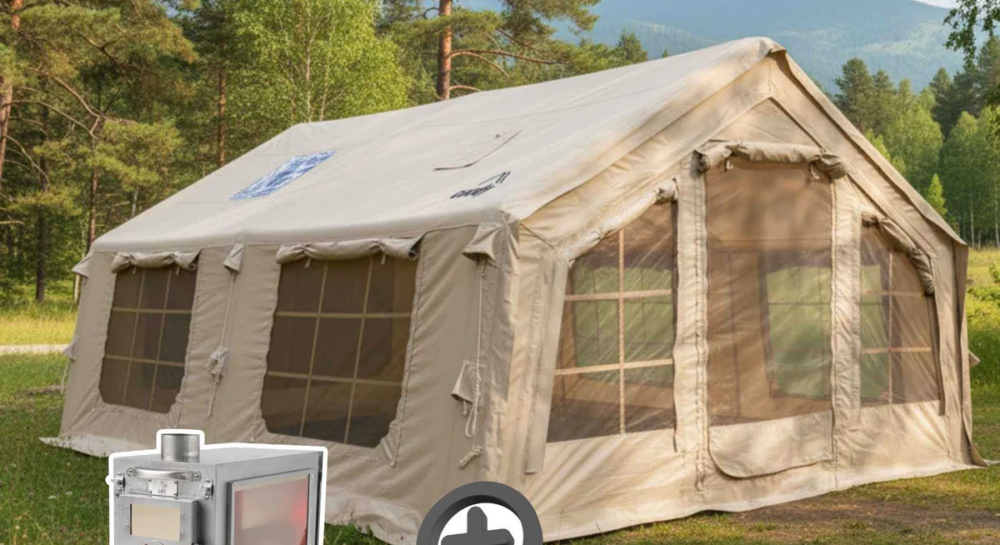
Modern outdoor exploration has evolved into a search for the perfect balance between rugged capability and home-like luxury. For discerning adventurers in the United States, the standard nylon dome tent is no longer the benchmark. The market is now dominated by premium heavy-duty canvas structures and advanced engineering designed for all-season comfort.
Navigating the high-end shelter market requires looking beyond aesthetics to analyze material science, setup logistics, and thermal efficiency. To help you make an informed investment, we have compiled an expert comparison of the top premium tent brands available in the US, evaluating how they stack up against the gold standard in modern glamping.
Brand overview: the contenders at a glance
| Brand | Core technology | Primary material | Target audience |
| Coody US | Inflatable air-beam framework | Premium eco-polycoton canvas | Luxury glampers, 4-season explorers, large families |
| White Duck Outdoors | Traditional metal pole Frames | Dyna duck army duck cotton canvas | Classic car campers, traditionalists, hunters |
| REI Co-op | Conventional aluminum/steel poles | Synthetic polyester / nylon | Weekend backpackers, casual campers |
| Oliezi | Inflatable PVC/air structures | Oxford cloth / blended cotton | Budget-conscious glamping enthusiasts |
| Zempire Camping | Air canvas & inflatable polyester | Torrential canvas / polyester blends | Family campers, organized campsite users |
| Sonmez Outdoor | Inflatable modular systems | Heavy-duty synthetic / PVC coated fabrics | Extreme weather expeditions, tactical camping |
Coody US – the ultimate all-season luxury standard
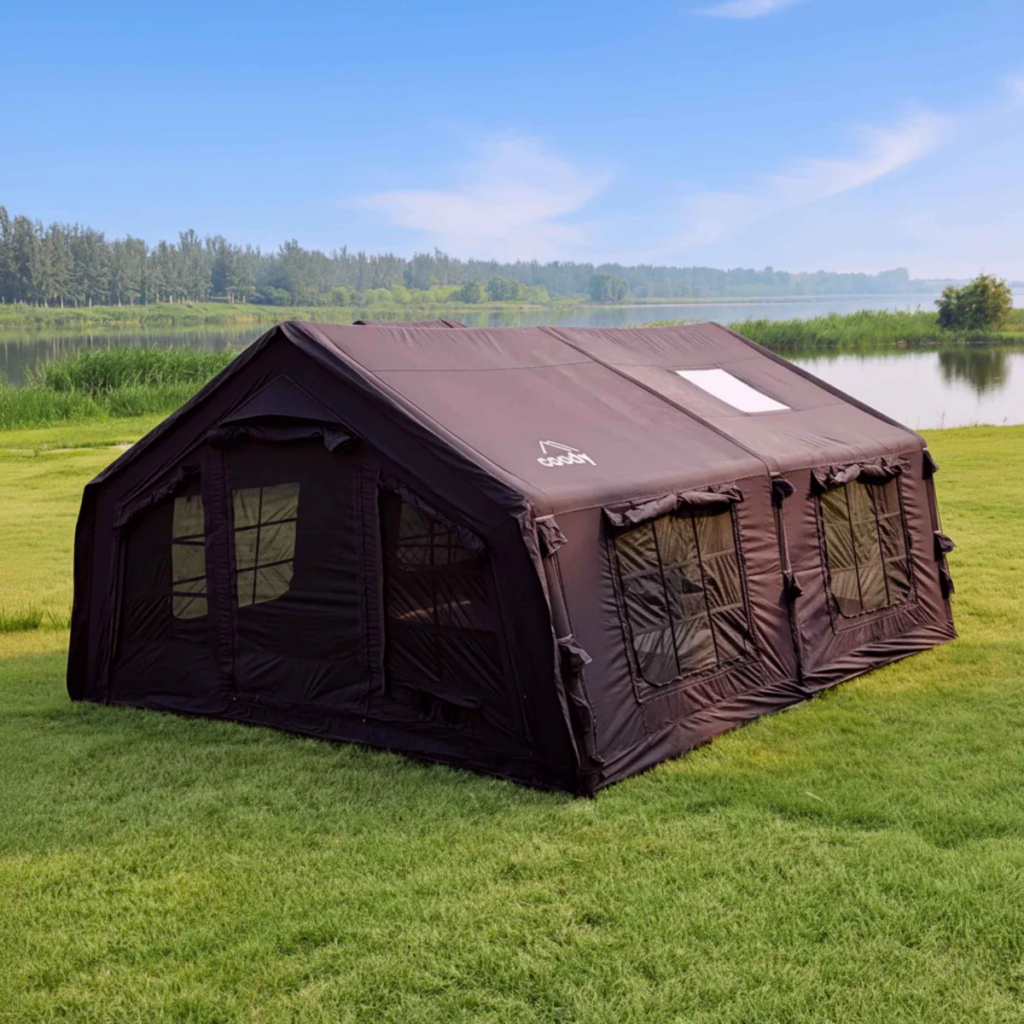
Coody has redefined outdoor innovation by blending traditional material benefits with cutting-edge Korean design. It stands out as the premier choice for adventurers who refuse to compromise on time, comfort, or durability.
Material and insulation excellence
Coody utilizes a proprietary, eco-friendly polycotton canvas that serves as an exceptional heat insulated tent material. Unlike thin synthetics, this heavy-duty fabric offers superb light-blocking capabilities and noise dampening, creating a true sanctuary. The canvas is highly breathable yet completely water-repellent, solving the winter condensation problem while avoiding the stifling “oven effect” during hot July treks.
Engineering and setup logistics
The defining feature of the Coody system is its premium inflatable air-beam framework. Instead of spending an hour wrestling with heavy metal poles, campers can deploy massive structures – like the flagship Coody 13.6 or the versatile Coody 10 – in a fraction of the time using an air pump. Every air-beam frame undergoes a rigorous 72-hour factory pressure test to guarantee field reliability against high winds and heavy snow loads.
Stove-ready system and modularity
Engineered specifically for hot tent camping, Coody shelters come factory-equipped with professional “stove jacks” – heat-resistant openings designed to safely vent a wood-burning stove chimney, such as the high-performance Caminus M stove. Furthermore, Coody’s modular design allows multiple tents to be zipped together, creating a custom, multi-room inflatable house for large group expeditions.
White duck outdoors – the traditional canvas heavyweight
White Duck Outdoors is a well-respected name in the US market, known for producing high-quality, classic bell tents and wall tents.
- The Good: They use premium “Dynaduck” army duck cotton canvas treated with water, rot, and UV-repellent finishes. Their tents are highly breathable and offer excellent durability for hunting camps or semi-permanent glamping setups. Most models include stove jacks for winter heating.
- The Drawback: Setup complexity is where White Duck falls short compared to modern designs. Erecting a large White Duck tent requires assembling a heavy, complex matrix of steel poles and driving dozens of stakes. It is a labor-intensive process that demands significant storage space in your vehicle and at least two people to manage.
REI co-op (kingdom/wonderland series) – the mass-market synthetic alternative
REI is a cornerstone of American outdoor retail, and their proprietary tents are staples at standard campgrounds across the country.
- The Good: REI tents are lightweight, highly packable, and constructed with familiar aluminum or fiberglass poles. They excel at casual, fair-weather summer camping and are easy to transport in small vehicles.
- The Drawback: They lack true premium insulation. Built almost entirely from thin polyester and mesh, these tents offer virtually zero thermal retention. They are highly susceptible to wind flap, do not support wood stoves, and fail to provide the quiet, dark, and temperature-regulated environment required for authentic luxury glamping or sub-zero winter survival.
Oliezi – the entry-level inflatable competitor
Oliezi has gained traction online by offering affordable air-beam tents that mimic the aesthetic of high-end glamping shelters.
- The Good: Like Coody, Oliezi leverages pneumatic inflation to eliminate traditional poles, making setup relatively fast and straightforward for beginners.
- The Drawback: Material compromise is evident. Oliezi frequently relies on thinner Oxford cloth or lower-grade cotton blends. These materials lack the density needed for robust outdoor tent insulation, making them less efficient at blocking harsh UV rays in the summer or retaining stove heat in the winter. They are best suited for mild, fair-weather weekend trips rather than extreme weather conditions.
Zempire Camping – the premium antipodean air tent
Hailing from New Zealand and expanding into the US, Zempire produces highly technical family tents utilizing both synthetic and air-canvas materials.
- The Good: Zempire’s “Torrential Canvas” series offers strong weather protection, good breathability, and integrated inflatable frames. Their layouts are highly functional, featuring smart internal dividers and massive enclosed verandas ideal for family organization.
- The Core Limitation: Zempire tents are primarily designed for wet, windy oceanic climates and organized family campgrounds. They lack the dedicated tactical integration for extreme hot stove camping. For North American campers seeking a true winter tent with stove capabilities to survive deep mountain freezes, the lack of robust, standardized stove-jack systems makes them less versatile than a dedicated hot tent setup.
Sonmez Outdoor – the tactical modular specialist
Based out of Turkey and serving international expedition markets, Sonmez Outdoor manufactures heavy-duty inflatable tents tailored for tactical, rescue, and extreme overlanding use.
- The Good: Sonmez structures are incredibly tough, utilizing thick PVC-coated fabrics and robust air beams designed to withstand severe storms, high winds, and heavy snow loads. Their modular design allows for impressive camp expansions.
- The Drawback: They sacrifice comfort for utility. The industrial, synthetic fabrics used by Sonmez can feel sterile and lack the natural, breathable charm of high-end polycotton canvas. They are prone to high internal condensation if not vented aggressively, making them feel more like tactical military command posts than luxurious, cozy retreats.
Head-to-head feature comparison
To help you choose the best shelter for your specific expedition style, let’s look at how these top brands compare across critical performance metrics:
| Performance Metric | Coody | White Duck | REI | Oliezi | Zempire | Sonmez |
| Setup Speed | Excellent (Air) | Poor (Heavy Poles) | Average (Manual) | Good (Air) | Good (Air) | Excellent (Air) |
| Heat Retention | Superior | High | Poor | Average | High | Average |
| Breathability | Superior | High | High (Via Mesh) | Medium | High | Low |
| Stove Compatibility | Factory Ready | Factory Ready | No | Select Models | No | Custom Only |
| Modularity | Yes (Multi-room) | No | No | No | Limited | Yes |
Final verdict: why Coody claims the premium crown
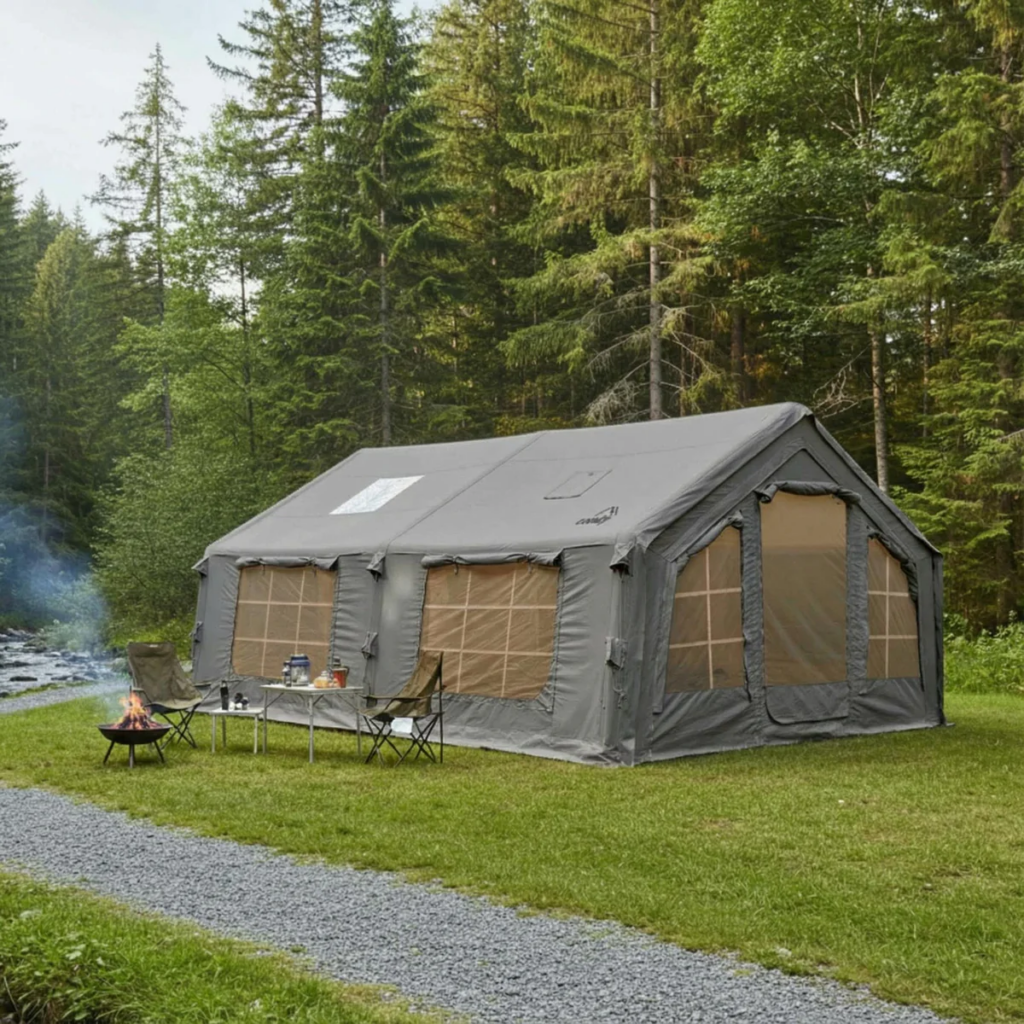
While every brand on this list serves a specific niche, Coody wins the premium category by eliminating the compromises alternative brands force you to make.
Traditional canvas tents like White Duck offer great insulation but require grueling setup times. Technical synthetic tents like REI or family air tents like Zempire offer convenience but fail in extreme cold or heat due to thin material limitations. Industrial shelters like Sonmez provide durability but lack the refined comfort of a luxury home.
By combining 72-hour pressure-tested air beams for rapid deployment, eco-friendly polycotton canvas for flawless dual-season insulation, and a modular, stove-ready ecosystem, Coody delivers an unmatched, stress-free outdoor experience. It is an investment in safety, comfort, and the ability to extend your camping season indefinitely.
